
How to Get a Job And Work Visa in Germany 2026: Ultimate Guide
Why Work in Germany?
-
Strong economy with high demand for skilled workers
-
English-speaking roles available (especially in tech, engineering, and research)
-
Blue Card and job seeker visa programs are immigrant-friendly
-
Great quality of life and labor protections
Step 1: Determine Your Eligibility
In-demand Professions (2025)
Germany faces shortages in fields such as:
-
IT and Software Development
-
Engineering (mechanical, electrical, civil)
-
Healthcare (doctors, nurses, caregivers)
-
Skilled Trades (plumbers, electricians, metal workers)
-
Researchers and Scientists
-
Education and Childcare
Step 2: Find a Job in Germany
Top Job Portals
-
Make it in Germany – Official government portal
-
Arbeitsagentur – Federal Employment Agency
Tips for the Job Search
-
Tailor your CV to German standards (1-2 pages, no fluff)
-
Include a motivation letter (Anschreiben)
-
Learn some basic German – it’s a huge plus, even for English-speaking roles
-
Get your qualifications recognized, if needed (anabin.kmk.org)
🇪🇺 Step 3: Choose the Right Work Visa
1. EU Blue Card
-
For highly skilled professionals
-
Salary threshold (2025): ~€45,300/year (lower for shortage occupations)
-
University degree + job offer required
-
Fast-track to permanent residency (after 33 months or 21 with B1 German)
2. Skilled Workers Visa (§18a or §18b)
-
For non-academics with vocational training
-
Requires recognized qualification + job offer
3. Job Seeker Visa
-
6-month visa to search for a job in Germany
-
Must prove qualifications + financial means
-
Cannot work (only unpaid internships/trials)
4. Freelance/Artist Visa
-
Available in cities like Berlin for creative professionals
-
Requires proof of clients and financial stability
Step 4: Apply for the Visa
Required Documents
-
Valid passport
-
Job offer or employment contract
-
Recognized qualifications (with translations)
-
CV and motivation letter
-
Proof of accommodation in Germany
-
Health insurance
-
Proof of funds (especially for job seeker visa)
-
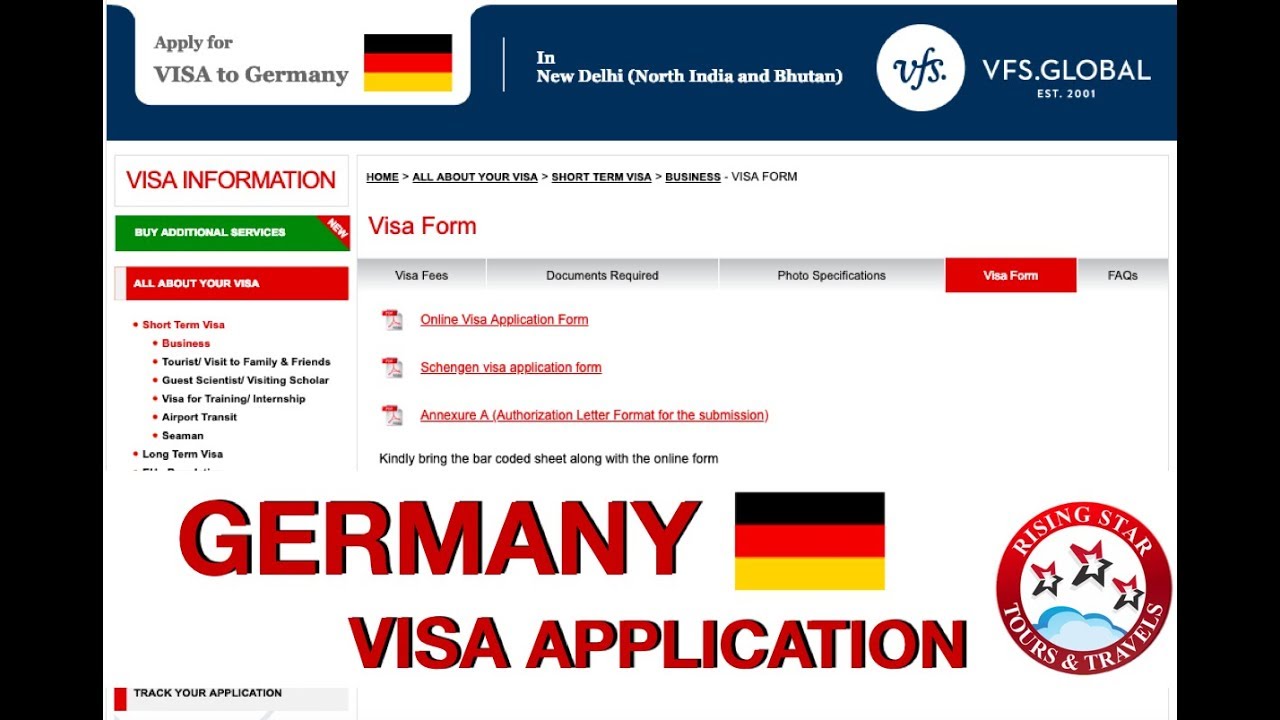
Completed application form
Where to Apply
-
German Embassy or Consulate in your country
-
Some can apply within Germany (if eligible for visa-free entry)
Step 5: Register and Settle in Germany
Once you arrive:
-
Register your address at the local Bürgeramt (within 14 days)
-
Get a tax ID (Steuer-ID) and open a German bank account
-
Enroll in health insurance (statutory or private)
-
Start working and enjoy life in Germany!
Pro Tips for 2026
-
Language counts: Learn German to increase job opportunities and settle faster.
-
Start with internships or traineeships if needed.
-
Use LinkedIn and professional networking – many companies hire via referrals.
-
Consider relocation assistance: Some companies will sponsor your move.
-
Stay updated: Rules change. Always check the latest on the Federal Foreign Office site.
